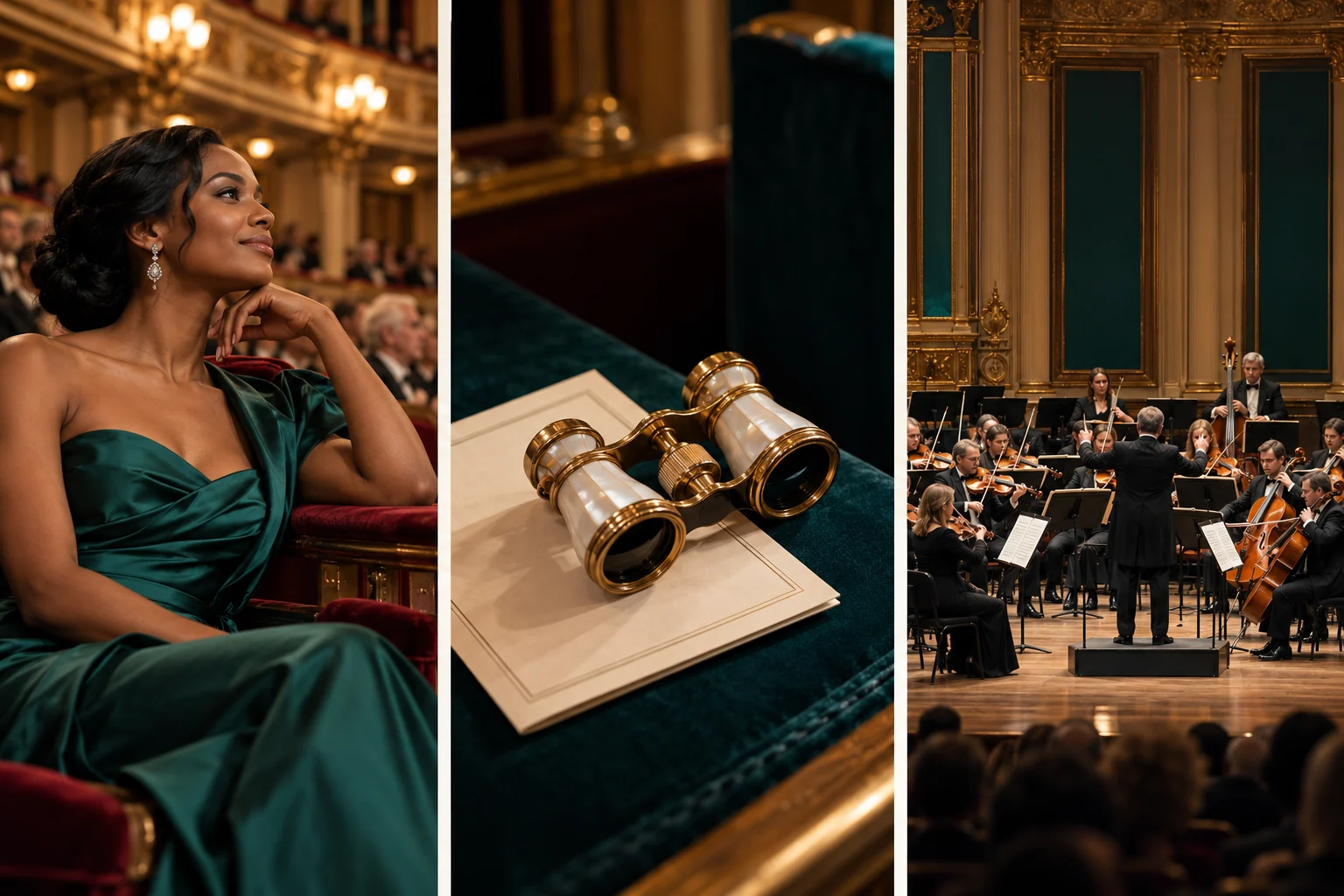
Luxury has long been misunderstood. We've been taught to measure it in designer labels, grand estates, first-class cabins—the visible markers of wealth that announce themselves before you do. Those things may be luxurious, but they are not what creates a luxurious life. True luxury is quieter than that. It is intentional. It is found in the small rituals that elevate ordinary days into memorable ones, in the deliberate choices that transform routine into ceremony. Luxury begins when we stop rushing through life and begin paying attention to it.
Consider fresh flowers waiting on your kitchen table every Friday—not because guests are coming, but because you deserve beauty in your everyday life. Consider drinking your morning coffee from the porcelain cup you've been saving for special occasions, and recognizing that this morning is special simply because you are alive to witness it. Consider crisp linen sheets, a handwritten note tucked inside a favorite book, fresh herbs growing on the windowsill, or a candle lit during a quiet dinner for one.
None of these moments require extraordinary wealth. They require something more difficult: intention. The willingness to slow down. The courage to believe that your ordinary life is worthy of beauty.
Curate, Don't Accumulate
The elegant home is rarely the one filled with the most possessions. It is the one where every object has been chosen with care, where each item earns its place not through price but through meaning. A beautiful leather journal used every morning. A cashmere throw that has accompanied countless evenings of reading. A vintage fountain pen that turns the act of writing into ceremony. These are not purchases—they are investments in the texture of daily life.
There is a particular kind of pleasure that comes from owning fewer things of higher quality. Not because of status, but because quality objects age beautifully. They develop patina. They tell stories. A well-made leather bag softens and darkens with use. A solid wood table bears the marks of meals shared and work completed. These objects become companions rather than commodities.
The opposite approach—accumulation without curation—creates a different kind of poverty. Closets stuffed with clothing that doesn't fit or flatter. Drawers filled with gadgets used once and forgotten. Shelves lined with books never read, bought on impulse and abandoned. This is not abundance. It is clutter masquerading as choice.
Luxury is often found not in buying more, but in choosing better. In taking the time to ask: Does this object serve my life? Does it bring beauty or function or both? Will I still want to see it, touch it, use it a year from now? The answers to these questions create homes that feel spacious even when small, restful even in the heart of the city.
“Luxury is often found not in buying more, but in choosing better.”
Rediscover Ritual
We live in an age that worships efficiency. We optimize our mornings, streamline our routines, hack our habits. But efficiency, taken too far, flattens life into a series of tasks to be completed as quickly as possible. Ritual offers something different: the recognition that how we do things matters as much as what we accomplish.
Brew loose-leaf tea instead of rushing through another disposable cup. The act of measuring leaves, heating water to the proper temperature, waiting for the steep—these small delays are not inefficiencies. They are invitations to presence. Polish your shoes before an evening out. Play instrumental music while preparing dinner. Set the table beautifully, even if you're dining alone.
These small acts quietly communicate something powerful: this moment matters. You matter. The quality of your attention is a gift you give yourself.
Anthropologists have long understood that ritual serves a function beyond the practical. It marks transitions. It creates boundaries between the sacred and the mundane. When you light a candle before sitting down to write, you are not simply illuminating the room—you are signaling to your nervous system that this time is different, that you are entering a state of focus and creativity. The candle becomes a threshold.
Dress for the Life You Want to Live
Elegance isn't about extravagance. It is about respect—for yourself, for others, and for the occasion. There is a particular kind of dignity that comes from dressing with intention, from choosing clothing that fits beautifully rather than merely adequately. This has nothing to do with fashion in the trendy sense and everything to do with self-knowledge.
Invest in timeless pieces over passing trends. A well-tailored blazer. A coat that makes you stand taller. Shoes that are resoled rather than replaced. These items cost more initially, but they pay dividends in confidence and longevity. They also simplify decisions. When your wardrobe consists of pieces you genuinely love, getting dressed becomes effortless rather than exhausting.
Wear the fragrance that makes you smile. Stand a little taller. Pay attention to the details that only you will notice—the quality of your socks, the condition of your watch strap, the way your collar sits. These private acts of care accumulate into a public presence that others perceive as elegance, even if they cannot articulate why.
Kindness and confidence will always be the finest accessories. The most elegantly dressed person in any room is often the one who makes others feel seen and valued. Grace is not something you wear—it is something you practice.
“Grace is not something you wear—it is something you practice.”
Become a Collector of Experiences
There is a body of research in psychology suggesting that experiences bring more lasting happiness than possessions. The reasons are multiple: experiences improve with time as memory softens rough edges and highlights joy. They connect us to others. They become part of our identity in ways that objects rarely do. You are not the person who owns a luxury car—you are the person who learned to sail, who spent a summer in Provence, who can identify birds by their songs.
Take a cooking class. Visit an art museum on a weekday morning when the galleries are nearly empty. Attend the symphony. Watch the sunrise from somewhere you've never been. Learn to identify constellations. These experiences need not be expensive or exotic. A weekly walk through a neighborhood you've never explored costs nothing and offers the particular pleasure of discovery.
Write letters you'll never regret sending. Not emails—letters. The kind written by hand, on good paper, with a fountain pen if you have one. The kind that require thought and care, that cannot be dashed off in thirty seconds between meetings. The kind that recipients save.
Experiences compound in value long after purchases fade. The handbag you coveted last season is already dated. The afternoon you spent learning to make fresh pasta with your grandmother remains vivid decades later. This is not to say that objects have no value—only that their value is often highest when they facilitate experiences rather than replace them.
The Architecture of Attention
Attention is the currency of the elegant life. Not money, not time, but attention—the quality of presence you bring to each moment. In her book How Emotions Are Made, neuroscientist Lisa Feldman Barrett describes the brain as a prediction machine, constantly using past experience to anticipate the future. This means we spend much of our lives not actually perceiving what is in front of us, but rather confirming what we expect to see.
Breaking this pattern requires deliberate effort. It requires slowing down enough to notice what is actually happening rather than what you assume is happening. The particular quality of afternoon light in November. The way your partner's voice changes when they're tired. The first sip of cold water after a long walk.
This kind of attention cannot be purchased, but it can be practiced. Begin with small things. Notice the weight of a book in your hands. The temperature of the air on your skin. The precise color of the sky at dusk. These observations cost nothing and offer everything—a life lived in high resolution rather than blur.
The elegant life is, in many ways, simply a life lived with full attention. It is the opposite of sleepwalking through your days, of arriving at Friday with no memory of Tuesday. It is the practice of being here, now, in this body, in this moment, with these people or this solitude.
Leave Something Beautiful Behind
The most elegant people are remembered less for what they owned than for how they made others feel. They remembered names. They listened without interruption, without planning their response while you were still speaking. They wrote thoughtful thank-you notes, not as obligation but as genuine expression of gratitude. They spoke kindly to waitstaff, to clerks, to anyone whose labor made their day easier.
They noticed when someone felt left out and made space for them in the conversation. They asked questions and cared about the answers. They showed up—to celebrations and to funerals, to moments of triumph and moments of grief. Their presence was a gift.
This kind of elegance requires no wealth. It requires character. It requires the willingness to prioritize connection over convenience, to choose kindness even when no one is watching, to treat each interaction as an opportunity to leave the other person feeling slightly better than before.
Grace leaves a longer legacy than glamor. The designer clothes will be donated or discarded. The luxury car will rust. But the way you made someone feel—seen, valued, worthy of your time—that persists. It shapes how they move through the world. It becomes part of who they are.
“Grace leaves a longer legacy than glamor.”
The Luxury of Enough
Perhaps the greatest luxury in our culture of relentless more is the recognition of enough. Enough money to meet your needs and some of your wants. Enough time to do your work well without burning out. Enough possessions to live comfortably without drowning in excess. Enough ambition to grow without sacrificing the present to a perpetually deferred future.
Enough is not the same as settling. It is not resignation or defeat. It is clarity. It is knowing what you value and refusing to be distracted by what you don't. It is the freedom that comes from stepping off the hedonic treadmill, from recognizing that the next purchase, the next promotion, the next achievement will not fundamentally alter your happiness.
This is difficult in a culture that equates more with better, that measures success in accumulation. But the elegant life requires a different metric. Not how much you have, but how fully you inhabit what you have. Not how busy you are, but how present. Not how impressive your life looks from the outside, but how satisfying it feels from within.
The recognition of enough creates space—literal and psychological. Space in your home because you're not constantly acquiring. Space in your schedule because you're not constantly striving. Space in your mind because you're not constantly comparing. This space is where life actually happens, where connection deepens, where creativity emerges, where rest becomes possible.
The Quiet Luxury of a Well-Lived Life
The elegant life is not reserved for a select few. It is not contingent on wealth or status or circumstance. It is built one intentional choice at a time. A beautiful meal, even a simple one, prepared and consumed with attention. A thoughtful conversation where you listen more than you speak. A carefully chosen book read slowly rather than skimmed. A walk without urgency, without destination, without your phone.
These choices accumulate. They create a life that feels different from the inside—richer, slower, more textured. A life where Tuesdays are distinguishable from Thursdays, where seasons change and you notice, where you remember not just what you did but how it felt.
Luxury, in this sense, is not about living above everyone else. It is about refusing to live beneath the beauty already available to you. It is about recognizing that you do not need permission to light the good candles, to use the nice dishes, to wear the clothes that make you feel like yourself. You do not need to wait for a special occasion to treat your life as worthy of care.
The special occasion is now. It is this morning's coffee, this evening's sunset, this conversation, this breath. The elegant life is simply the choice to treat it that way—not someday, not when circumstances align, but here, in the beautiful, imperfect, irreplaceable present.
“The special occasion is now.”
Before you go
Two quiet questions.
How much of what you just read named something you already know inside your own body?
How much did this open a new question you didn’t have before?
— End —
NirvaLife Magazine · July 2026